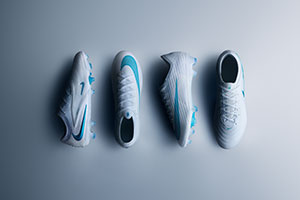
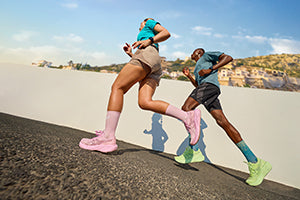
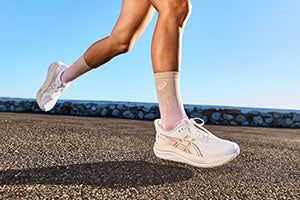
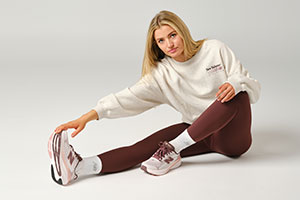
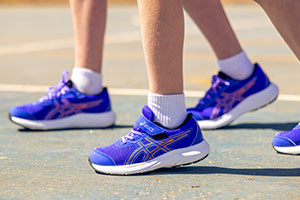



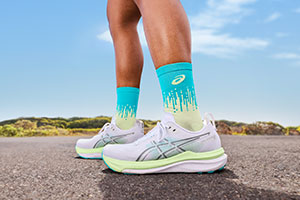
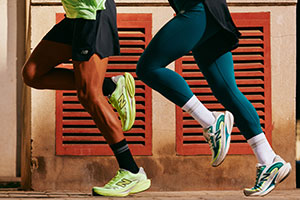

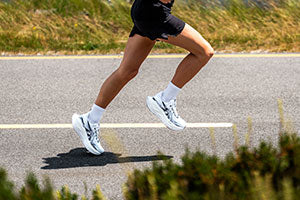



Find yourself rolling out? We have a selection of shoes that may be able to help you!
Every runner's foot moves differently when it hits the ground.
While some runners roll further inward through their stride, others place more pressure towards the outside of the foot. This outward movement is known as supination, or underpronation.
Choosing suitable supination footwear isn't necessarily about trying to completely change the way your foot moves. Instead, runners who supinate will often benefit from comfortable neutral running shoes with plenty of cushioning, particularly through the areas where they experience the most impact.
So, what should you look for in the best running shoes for supination?
What Is Supination?
Supination occurs when the foot rolls outward or remains towards the outside edge as you move through your stride.
Pronation itself is a normal part of running. Your foot naturally moves as it absorbs impact and transitions towards toe-off.
However, runners who underpronate tend to place more pressure through the outside of the foot rather than rolling further inward.
You may also hear supination referred to as:
- Underpronation
- External foot strike
- Outward foot roll
Supination isn't automatically a problem. Some runners naturally move this way without experiencing discomfort or injury.
The goal isn't necessarily to "correct" your natural movement, but to find footwear that feels comfortable and provides enough cushioning for the way you run.
How Can You Tell If You Supinate?
One clue can be the wear pattern underneath your existing running shoes.
Runners who supinate may notice more wear along the outside edge of the outsole, particularly around the heel or forefoot.
However, shoe wear alone can't tell you exactly how your foot moves.
The way your shoes wear can also be influenced by your foot strike, running surface, individual technique, and the construction of the shoe itself.
A gait assessment can provide a much clearer picture.
This involves observing your feet and lower legs while you walk or run, often using video to slow down the movement and see how your foot transitions through each stride.
If you're experiencing recurring pain or are unsure about your running gait, getting assessed by an appropriately qualified professional can be more useful than diagnosing yourself from shoe wear alone.
What Should You Look for in Supination Footwear?
When comparing trainers for supination, the focus should generally be on cushioning, comfort, and a relatively neutral platform.
1. Plenty of Cushioning
Runners who supinate can place greater pressure through the outside of the foot.
A well-cushioned midsole can help absorb some of the repeated impact created while running.
Look for enough cushioning through both the heel and forefoot rather than focusing only on the back of the shoe.
Forefoot cushioning can be particularly important for runners who land further forwards on their feet.
2. A Neutral Running Shoe
Traditional stability shoes are generally designed to provide additional guidance for runners who roll further inward.
For runners who supinate, that extra structure isn't necessarily what they need.
Neutral running shoes allow the foot to move without the more pronounced medial support systems commonly found in stability footwear.
That makes neutral shoes a useful starting point when searching for running sneakers for supination.
However, not every neutral shoe feels the same.
Some are extremely soft, some are firmer and more responsive, while others naturally provide a broad and stable platform despite technically being neutral.
Comfort should remain the deciding factor.
3. Cushioning Through the Forefoot
Don't only look at how much foam sits underneath the heel.
If you naturally place more load through the outside or front of the foot, cushioning through the forefoot can make a noticeable difference to how comfortable the shoe feels.
Higher-stack neutral trainers can provide additional material between your foot and the ground, helping soften repeated landing forces throughout a run.
That doesn't mean you automatically need the tallest or softest shoe available.
The goal is to find enough cushioning without making the shoe feel unstable.
4. A Comfortable, Flexible Ride
Some runners who supinate prefer footwear that allows the foot to move relatively naturally rather than using highly controlling support structures.
A shoe with a comfortable transition from landing to toe-off can make the stride feel smoother.
Features such as rocker geometry, flexible forefoot construction, and responsive foam can all influence this.
Again, there's no single model that every runner who supinates will prefer.
Trying different models remains important.
5. Durable Outsole Rubber
If you consistently place more pressure through the outside of your shoes, those areas of the outsole may wear faster.
Look for durable rubber coverage through the parts of the shoe that regularly contact the ground.
Reliable grip is also important, particularly if you're running on wet roads or other slippery surfaces.
Regularly check your shoes for uneven or excessive wear and replace them when the outsole or cushioning has significantly deteriorated.
Three Popular Running Shoes for Supination
There isn't one shoe that can be called the best option for every runner.
However, neutral running shoes with generous cushioning provide a useful starting point.
Here are three popular options available from INTERSPORT Australia.
ASICS GEL-Nimbus 28: Soft Cushioning for Everyday and Longer Runs
The ASICS GEL-Nimbus 28 is a highly cushioned neutral running shoe designed around comfort.
It combines FF BLAST PLUS cushioning with PureGEL technology to create a soft landing while maintaining enough responsiveness for everyday running.
That generous cushioning makes the Nimbus particularly worth considering for runners who want more impact protection underfoot.
It also uses a HYBRID ASICSGRIP outsole, combining different rubber materials to provide grip and durability.
Best suited to:
- Everyday running
- Longer runs
- Runners who prefer soft cushioning
- Runners wanting a comfortable neutral trainer
For someone searching for the best running shoes for supination with comfort as their main priority, the Nimbus is a strong option to try.
HOKA Bondi 9: Maximum Cushioning and a Smooth Ride
The HOKA Bondi 9 is another highly cushioned neutral option.
The Bondi 9 uses a high-stack, super-critically foamed EVA midsole designed to provide a soft and protective ride.
HOKA's Smooth MetaRocker also helps the shoe transition from landing through to toe-off, while the Durabrasion rubber outsole reinforces areas exposed to regular wear.
The Bondi is particularly well suited to runners who prioritise cushioning rather than an aggressive or highly responsive feel.
Best suited to:
- Easy running
- Everyday kilometres
- Walking
- Recovery-focused running
- Runners who prefer maximum cushioning
Its combination of cushioning and smooth transitions makes it a popular option among runners looking for trainers for supination where comfort is the main priority.
New Balance 1080v15: Soft Cushioning for Everyday Running
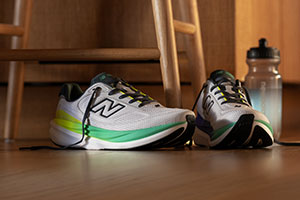
The New Balance 1080v15 is another strong neutral option for runners who want plenty of cushioning without moving into a traditional stability shoe.
The 1080v15 introduces New Balance's Infinion foam, which is designed to provide long-lasting cushioning alongside improved energy return. The shoe also uses a 6mm heel-to-toe drop and a rubber outsole, while its perforated mesh upper keeps the construction lightweight and breathable.
What makes the 1080v15 particularly useful for runners who supinate is its combination of soft cushioning and neutral support. Rather than adding a strong medial guidance system, it provides a cushioned platform that allows the foot to move relatively naturally throughout the stride.
It's also designed for both everyday running and longer distances, making it a versatile option if you don't want a highly specialised shoe.
Best suited to:
- Everyday running
- Longer runs
- Runners who prefer soft cushioning
- Runners wanting a neutral daily trainer
- Runners looking for comfort across higher weekly mileage
For someone searching for running sneakers for supination, the 1080v15 provides a balanced middle ground between the plush feel of the Bondi 9 and the premium cushioning of the GEL-Nimbus 28.
Nimbus vs Bondi vs 1080v15: Which Should You Choose?
All three are neutral, highly cushioned running shoes, but they deliver that cushioning differently.
Choose the GEL-Nimbus 28 if you want a premium, soft everyday trainer with plenty of cushioning for longer distances.
Choose the Bondi 9 if maximum cushioning and a smooth, protective ride are your main priorities, particularly for easy running, walking and recovery-focused kilometres.
Choose the New Balance 1080v15 if you want soft cushioning with a versatile everyday feel that can comfortably handle both regular training and longer runs.
None of these shoes is automatically the best simply because you supinate.
Your preferred cushioning, foot shape, running distance, and overall comfort should still influence your choice.
Do You Need Arch Support for Supination?
This is another area where runners can easily become confused.
Having high arches and supinating are sometimes associated with each other, but your arch shape doesn't automatically tell you how your foot moves while running.
More importantly, additional arch support isn't automatically better.
Traditional stability shoes often add structure around the inside of the foot to provide guidance for overpronation. That type of support may not be necessary for someone who already places more pressure towards the outside.
Instead of searching for the shoe with the strongest arch support, start with a comfortable neutral model and assess how it feels while actually running.
Should You Use Insoles for Supination?
Some runners may benefit from different insoles or orthotics, particularly if recommended after an individual assessment.
However, they shouldn't automatically be considered necessary simply because you supinate.
If you're pain-free and comfortable in your current running footwear, there may be no reason to dramatically change your setup.
If you're experiencing recurring discomfort, professional assessment can help determine whether footwear, training load, strength, or another factor may be contributing.
Finding the Right Running Shoes for Supination
Supination is simply one part of how your body moves while running.
When choosing supination footwear, start by looking for:
- A neutral running shoe
- Comfortable heel and forefoot cushioning
- Enough impact protection for your running
- A secure but comfortable fit
- Durable outsole rubber
- A ride that feels natural to you
Then think about what kind of running you actually do.
A highly cushioned Bondi 9 may work well for easy kilometres and walking, while the 1080v15 offers a versatile everyday option that can extend comfortably into longer runs. Another runner may prefer the premium soft cushioning of the GEL-Nimbus 28.
The best running shoes for supination aren't necessarily the shoes with the most technology or simply the softest cushioning.
They're the shoes that comfortably support the way you naturally run.
Explore INTERSPORT Australia's full range of running shoes and compare different neutral cushioning options to find the right fit for your feet and your running.