










Walk into the running section of almost any sports store, and one of the first differences you'll notice is cushioning.
Some running shoes sit relatively close to the ground, while others have thick midsoles that look almost twice as tall.
That naturally leads to one of the most common questions walkers and runners ask:
How much cushioning do I actually need?
The answer isn't simply "as much as possible".
Running shoe cushioning can influence comfort, impact absorption, stability, responsiveness and how connected you feel to the ground. The right amount depends on factors such as your running distance, pace, preferred feel and what you're using the shoe for.
Understanding those differences can make choosing your next pair of running shoes much easier.
What Does Cushioning Actually Do?
The cushioning in a running shoe mainly comes from the midsole: the layer of foam sitting between your foot and the outsole.
Every time you land, this foam compresses underneath you before recovering as you move through your stride.
Different foams can create very different experiences.
Some are designed to feel:
- Soft and protective
- Firm and stable
- Lightweight and responsive
- Bouncy and energetic
This is why two shoes with similar amounts of foam can feel completely different.
Cushioning isn't only about how thick the midsole is. The type of foam, its density, the shape of the shoe and how your foot sits within the platform all influence the ride.
Does More Cushioning Mean More Comfort?
Not always.
A thick, soft midsole can feel extremely comfortable for one runner and overly unstable for another.
Some runners enjoy the plush feeling of sinking slightly into the foam. Others prefer a firmer platform where they can feel the ground more clearly.
There is also a difference between softness and cushioning.
A shoe can have plenty of cushioning without feeling extremely soft. Likewise, a relatively soft foam doesn't automatically mean the shoe has a huge stack height.
Comfort is highly individual, which is why trying shoes on and moving in them is often more useful than simply comparing how much foam they contain.
What Is a Max-Cushion Running Shoe?
Max-cushion running shoes use a large amount of midsole material to create a highly protected feeling underfoot.
Models such as the HOKA Bondi 9 and ASICS GEL-Nimbus 28 are good examples.
These shoes are designed around comfort and cushioning rather than providing a particularly minimal or close-to-ground ride. Both are currently part of INTERSPORT Australia's maximum-cushioned running range.
Max-cushion shoes can make sense for:
- Easy runs
- Longer distances
- Recovery runs
- Walking
- Runners who simply prefer a softer, more protective ride
But they aren't automatically the right choice for every runner.
Who Might Prefer Less Cushioning?
Some runners prefer a shoe that feels lighter, firmer or more connected to the ground.
That can be particularly appealing during faster running, where excessive softness may feel less responsive to some people.
A lower or moderately cushioned shoe can provide:
- More ground feel
- A firmer platform
- Less bulk
- A more direct transition through the stride
That doesn't make minimally cushioned footwear inherently faster or better.
Modern foam technology has blurred the lines significantly. Some highly cushioned shoes can now remain very lightweight and responsive.
The amount of foam is only part of the equation.
How Much Cushioning Do You Need for Daily Running?
For everyday running, most people benefit from finding a balance.
A daily trainer needs enough cushioning to remain comfortable across regular kilometres without necessarily becoming extremely soft or specialised.
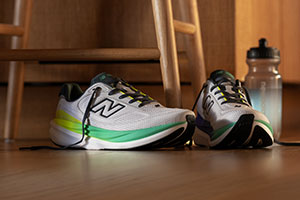
The New Balance 1080v15 is a useful example of a highly comfortable everyday running shoe. New Balance positions the 1080 around all-day comfort and everyday running rather than making it purely a recovery shoe.
Another example is the Nike Vomero range. INTERSPORT currently carries both the Vomero 18 and the higher-cushioned Vomero Plus, giving runners different interpretations of a cushioned everyday shoe, with the latter being perceived as the bouncier, energetic alternative of the two max-cushioned shoes.
For most daily running, the right shoe should feel comfortable enough that you're not thinking about it throughout the run.
What About Long Runs?
As running distance increases, comfort often becomes more important.
A shoe that feels perfectly comfortable over five kilometres might begin to feel harsher as the run extends towards 15, 20 or 30 kilometres.
That's one reason many long-distance runners prefer more cushioning.
More midsole material can help maintain a protected feeling as fatigue builds, particularly during longer training sessions.
However, there is another factor: weight.
A very cushioned shoe that also feels heavy or cumbersome may not be appealing over longer distances.
That's where modern super trainers have changed the conversation.
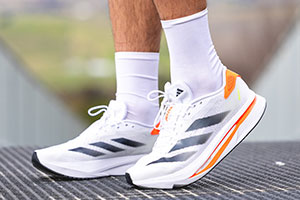
The ASICS Superblast 3, for example, combines a large amount of cushioning with a relatively lightweight and performance-focused construction. INTERSPORT currently positions it alongside its premium running range.
This shows why cushioning shouldn't simply be judged by stack height.
Does More Cushioning Make You Run Slower?
Not necessarily.
Historically, adding more cushioning usually meant adding more foam and therefore more weight.
Modern materials have changed that.
Premium running foams can provide large amounts of cushioning while remaining lightweight and responsive.
That's why you'll now find high-stack shoes designed for:
- Easy running
- Long-distance training
- Tempo sessions
- Marathon racing
The bigger question isn't whether the shoe has "too much cushioning".
It's whether that cushioning feels appropriate for the pace you're trying to run.
Soft vs Firm Cushioning
One of the most useful things to think about when choosing running shoes is whether you prefer a soft or firm ride.
Soft cushioning
A softer shoe compresses more easily underneath your foot.
This can create a plush and comfortable feeling that's often popular for easy runs and longer sessions.
Shoes such as the Bondi and Nimbus sit towards this comfort-focused side of the market.
Firmer cushioning
A firmer shoe compresses less and can provide a more direct feeling underneath the foot.
Some runners find this more stable and responsive, particularly when increasing pace.
Neither is automatically better.
Even the current max-cushion trend is beginning to include shoes with firmer, more controlled rides rather than every brand simply making midsoles softer.
Does More Cushioning Protect Your Knees?
This is where it's important not to oversimplify things.
Cushioning changes how forces are absorbed and distributed while running, but there's no simple rule saying that the thickest shoe will prevent knee pain or running injuries.
Recent research examining recreational runners found relationships between impact attenuation, cushioning perception and injury risk, but footwear is only one part of a much larger picture. Training load, recovery, previous injury, strength and running habits can all matter as well.
So if your knees are uncomfortable, simply buying the softest running shoe available isn't necessarily the solution.
Comfortable footwear can certainly be part of your running setup, but persistent pain is better assessed properly by a professional rather than treated by increasing cushioning alone.
Think About the Type of Run
Different sessions can also suit different cushioning levels.
Easy and recovery runs
Comfort is usually the priority, making softer or more cushioned footwear popular.
Daily training
Look for a balance of cushioning, durability and responsiveness.
Long runs
Additional cushioning can become useful as time on your feet increases.
Speed sessions
Many runners prefer something lighter and more responsive, although modern super trainers prove that high cushioning and speed can coexist.
Racing
Performance footwear can have extremely high stack heights, but the cushioning is usually designed around energy return and weight rather than softness alone.
You don't necessarily need separate shoes for every one of these sessions.
The point is that different cushioning setups can suit different purposes.
How Do You Know If a Shoe Has Enough Cushioning?
Your feet will usually give you a better answer than the specifications.
When trying running shoes, ask yourself:
- Does the landing feel comfortable?
- Does the shoe feel stable?
- Can I transition naturally onto my toes?
- Does the cushioning feel too soft or too firm?
- Does the shoe feel bulky?
- Does my heel remain secure?
- Could I imagine running my normal distance in it?
Don't worry too much about chasing the highest stack measurement.
Two runners can try the exact same shoe and have completely different opinions about the cushioning.
Both can be right.
Consider your distance, training style, stability needs and the type of ride you enjoy, then compare different options rather than assuming thicker is always better.
Explore INTERSPORT Australia's full range of running shoes to compare different cushioning levels and find the feel that suits your running.