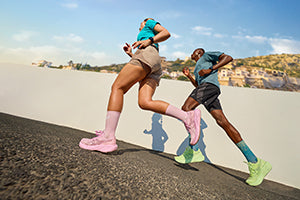
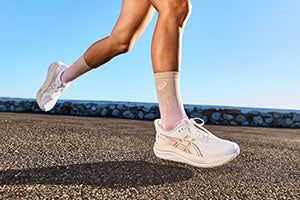






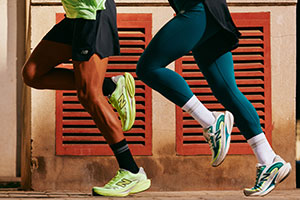


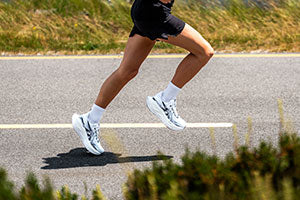
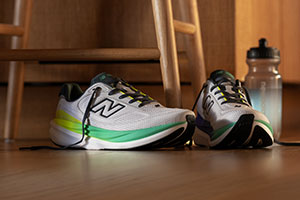




It's wet and cold outside, so what does that mean for your feet and shoes?
Cold mornings, wet footpaths, and muddy trails don't have to stop your running routine during winter.
However, changing conditions can place different demands on your footwear. The same lightweight, highly breathable shoe that feels great during a dry summer run may not always be the best option when the ground becomes wet and slippery.
When choosing running shoes for the winter, traction, protection, and comfort should all be considered alongside the cushioning and support you would normally look for in a running shoe.
Here's what to look for when choosing the best running shoes in winter.
Why Do Running Shoes Matter More in Winter?
Australian winters can vary significantly depending on where you live, but rain, colder temperatures and wet surfaces are common occurrences when facing Australian conditions.
Water can make roads, footpaths, grass and trails more slippery, while puddles and wet ground can leave your feet uncomfortable if your shoes become soaked.
Winter doesn't necessarily mean you need a completely different pair of running shoes. If your usual road shoes provide reliable traction and you're mostly running on dry pavement, they may continue to work perfectly well.
However, runners regularly dealing with rain, mud, or unsealed surfaces may benefit from footwear designed to provide additional grip and protection.
1. Look for Strong Traction (Grip)
Traction should be one of your first considerations when choosing running shoes for the winter.
The outsole is the section of the shoe that makes direct contact with the ground. Its rubber compound and tread pattern determine how much grip the shoe can provide across different surfaces.
On dry pavement, relatively shallow outsole patterns can provide plenty of traction. Once surfaces become wet, however, good rubber coverage becomes increasingly important.
Look for an outsole with enough tread to maintain contact with the ground when running across wet footpaths, roads and park paths.
You should also check the condition of your existing shoes. Even a shoe that originally had excellent traction can become less effective once the outsole has been heavily worn.
2. Consider Where You'll Be Running
The best winter shoe depends heavily on your running surface.
If you primarily run on roads and footpaths, a traditional running shoe with reliable outsole grip may be all you need.
If winter takes your runs onto muddy tracks, wet grass or unsealed paths, however, a trail running shoe may be worth considering.
Trail shoes generally use deeper outsole lugs to dig into loose or uneven surfaces and provide additional grip. Many also feature more durable uppers and extra protection around areas such as the toe.
That doesn't mean trail shoes are automatically better for winter. Deep trail lugs aren't necessary for someone exclusively running on pavement.
Match the shoe to the surface you'll actually be running on.
3. Look for Some Protection From Water
No running shoe can make every wet winter run completely dry, but the upper can make a difference.
Traditional running shoes often use lightweight mesh because it allows heat and moisture to escape during exercise.
That breathability is excellent during warmer conditions, but very open mesh can allow rain and water from puddles to enter quickly.
Some winter and trail running shoes use more protective upper materials or waterproof membranes to help reduce the amount of water entering the shoe.
Water-resistant and waterproof aren't the same thing, though.
A water-resistant upper may handle light rain or splashes, while a waterproof membrane provides a greater barrier against moisture.
4. Waterproof Isn't Always Better
It can be tempting to assume the best running shoes in winter must be completely waterproof.
That isn't necessarily the case.
Waterproof materials can help in persistent rain and particularly wet environments, but they can also reduce breathability compared with lightweight mesh.
Once water gets inside a waterproof shoe - for example, through the opening around your ankle - it may also take longer to escape.
For short road runs in occasional rain, a breathable shoe that drains and dries reasonably quickly may be more comfortable.
For wet trails, puddles, or consistently rainy conditions, greater weather protection may become much more useful.
Think about the conditions you actually encounter rather than simply choosing the most weatherproof shoe available.
5. Don't Sacrifice Fit and Comfort
Winter features shouldn't come at the expense of the basics.
Your running shoes should still fit comfortably, keep your heel secure, and provide enough room for your toes.
You may wear slightly thicker socks during colder runs, so it's worth trying your shoes with the type of socks you actually plan to wear.
However, don't automatically size up just because it's winter. An oversized running shoe can allow your foot to move excessively inside the shoe and create its own comfort issues.
INTERSPORT Australia's men's running shoes and women's running shoes include different fits, cushioning levels and support options, so your normal footwear needs should still form the foundation of your decision.
6. Cushioning and Support Still Matter
Wet weather doesn't change the way your individual feet prefer to run.
If you normally feel most comfortable in a stability shoe, switching to an unsupportive winter shoe purely because it has better wet-weather protection may not make sense.
Likewise, if you prefer a neutral running shoe, you don't necessarily need additional stability simply because it's winter.
Continue to consider:
- Cushioning preference
- Neutral or stability support
- Shoe width
- Heel lockdown
- Overall comfort
- Your usual running distance
Winter-specific features should complement these requirements rather than replace them.
When Should You Choose Trail Running Shoes?
Trail running shoes become particularly useful when winter changes the surface beneath you.
Rain can turn dirt tracks into mud, make grass slippery, and loosen sections of trail that would normally be relatively firm.
Compared with road-running shoes, trail models usually feature deeper and more aggressive outsole patterns designed to grip loose surfaces.
They may also offer:
- More durable uppers
- Extra toe protection
- Greater protection from trail debris
- More aggressive outsole rubber
- Weather-resistant materials on some models
If you're regularly moving between road and light trails, some trail shoes are designed to work across both surfaces.
However, highly aggressive trail shoes may feel less smooth on long stretches of pavement, so consider where most of your kilometres will actually be completed.
What About Wet Socks?
Even the best winter running shoes can only do so much if your socks hold onto moisture.
A pair of technical running socks can help manage sweat and moisture more effectively than everyday cotton socks.
Cotton tends to absorb and retain water, meaning once it becomes wet, it can remain wet for much of the run.
Running socks made from moisture-managing synthetic fibres or suitable wool blends can help keep your feet more comfortable when conditions become cold or damp.
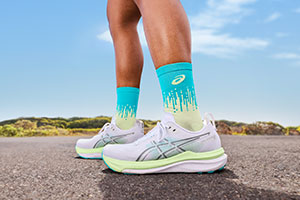
The 2XU Vectr Cushioned Running socks are anatomically designed to provide advanced plantar fascia and arch support. The Vectr Cushion Crew Sock leverages a unique X-LOCK support system to lock the foot in place and reduce blistering for your most comfortable run ever, regardless of the conditions.
Don't Forget Visibility
Winter often means running in darker conditions.
Morning runs may begin before sunrise, while evening runs can quickly continue after daylight disappears.
Although this isn't strictly a footwear-performance feature, reflective detailing on running shoes can provide some additional visibility in low-light conditions.
Shoes shouldn't be your only source of visibility, though. If you're running near roads in darker conditions, visible clothing and appropriate lighting are also important.
Take Care of Your Running Shoes After Wet Runs
Winter conditions can also mean your running shoes spend more time wet or muddy.
After a wet run, avoid simply leaving your shoes inside a closed gym bag.
Instead:
- Remove excess mud and dirt
- Loosen the laces
- Remove the insoles where appropriate
- Leave the shoes in a ventilated area
- Allow them to dry naturally before wearing them again
Avoid placing running shoes directly against heaters or exposing them to excessive heat, as this can potentially affect the materials, foam and adhesives used in their construction.
Keeping them clean and allowing them to dry properly can help keep your shoes comfortable throughout winter.
What Are the Best Running Shoes in Winter?
There isn't one pair that will suit every Australian winter runner.
For road running, look for a comfortable running shoe with dependable outsole traction and enough protection for the conditions you're likely to encounter.
For muddy paths, grass and trails, consider a trail running shoe with deeper lugs and a more protective upper.
For particularly wet conditions, a weather-resistant or waterproof model may also be worthwhile; provided it still offers the fit, cushioning and support you need.
When comparing running shoes for the winter, focus on:
- Reliable traction on wet surfaces
- A suitable outsole for your running terrain
- Enough weather protection for your conditions
- Comfortable cushioning
- The right level of support for your stride
- A secure and comfortable fit
Most importantly, choose according to where you actually run.
A heavily protected trail shoe isn't necessary for every winter road runner, just as a lightweight road shoe may not provide enough traction when your usual route turns muddy.
Explore INTERSPORT Australia's running shoes, including men's, women's and trail running shoes, to find the cushioning, grip and protection that suit your winter running conditions.