















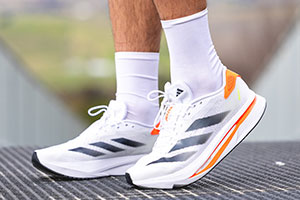


Since when did shoes start putting "S" on their chest?
Running shoes don’t always fit neatly into simple categories anymore.
We've covered daily trainers, race shoes, max-cushion shoes, speed trainers — and now super trainers.
So, what actually makes a running shoe a super trainer?
Put simply, a super trainer brings some of the technology and performance of a race-day shoe into something designed for regular training.
They usually combine premium foam, plenty of cushioning and a responsive ride, making them useful for everything from long runs to faster sessions.
What Makes a Running Shoe a Super Trainer?
There isn’t one feature that automatically makes a shoe a super trainer.
It’s usually a combination of things.
Premium Cushioning
Super trainers often use high-performance foams similar to those found in racing shoes.
These foams are designed to stay relatively lightweight while still providing plenty of cushioning and energy return.
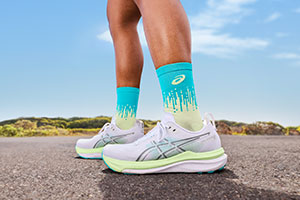
The ASICS Superblast 3, for example, uses FF LEAP cushioning alongside FF BLAST PLUS to create a highly cushioned but energetic ride.
High Stack Height
Many super trainers also sit relatively high off the ground.
That extra foam can provide plenty of cushioning for longer distances without automatically making the shoe feel heavy.
Modern foams have made it possible to combine a tall stack with surprisingly low weight.
Responsive Ride
A super trainer shouldn’t just feel soft.
It should also feel lively.
The midsole is designed to compress and rebound efficiently, helping create the energetic feeling that separates this category from a traditional max-cushion shoe.
Do Super Trainers Have Carbon Plates?
Sometimes, but not always.
Some super trainers use carbon, nylon or other plates to add stiffness and propulsion.
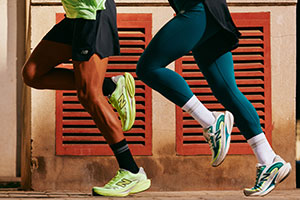
The Puma Deviate Nitro 4 is a great example of using a plate to generate energy return. It springs you forward with a plate shaped like a diving board, which should bounce you back the more you press down on the front of the shoe.
Other super-trainers rely more heavily on foam and geometry.
The Superblast 3 is a good example of a super trainer that does not use a carbon plate.
Instead, it gets its responsive feel from its cushioning setup and midsole design.
So, a plate isn’t what defines a super trainer.
The overall combination of cushioning, responsiveness and versatility matters more.
Super Trainer vs Daily Trainer vs Race Shoe
The easiest way to understand the category is to compare it with the shoes around it.
Daily Trainer
A daily trainer is designed to handle most of your regular running.
The focus is usually on:
-
Comfort
-
Durability
-
Stability
-
Versatility
-
Reliable cushioning
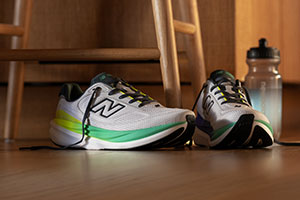
Shoes such as the Nike Vomero, New Balance 880 or ASICS Novablast can all fill this role.
Super Trainer
A super trainer takes that versatility and adds more performance-focused technology.
You’ll often find:
-
More premium foam
-
Higher cushioning
-
Greater energy return
-
Lower weight for the amount of foam
-
A more responsive ride
That makes them useful for runners who want one shoe that can handle both comfortable kilometres and faster efforts.
Race Shoe
Race shoes are more specialised.
They’re usually designed around maximum performance, with very lightweight uppers, aggressive foams and often carbon plates.
Think of it like this:
Daily trainer: Everyday comfort and reliability
Super trainer: Premium cushioning and performance for training
Race shoe: Maximum performance for race day
There’s some crossover, but that’s the simplest way to separate them.
What Runs Are Super Trainers Good For?
One of the biggest strengths of a super trainer is versatility.
Depending on the shoe, they can work well for:
-
Long runs
-
Steady running
-
Tempo sessions
-
Progression runs
-
Marathon training
-
Higher-mileage weeks
-
Some easy running
That makes them especially appealing to runners who don’t want a highly specialised shoe for every session.
A super trainer can often cover several jobs within one weekly rotation.
Who Should Consider a Super Trainer?
A super trainer can make sense if you’re:
-
Running several times each week
-
Increasing your weekly distance
-
Training for a half marathon or marathon
-
Doing both easy and faster sessions
-
Looking for one versatile performance shoe
-
Interested in race-inspired technology without always using a race shoe
They’re particularly useful for runners who want plenty of cushioning but still want the shoe to feel responsive.
If most of your running is short and easy, a normal daily trainer may already do everything you need.
Why Are Super Trainers So Popular?
Running shoe technology has improved quickly.
Brands can now create midsoles that provide large amounts of cushioning without making shoes excessively heavy.
Race-day foam technology has also started moving into training shoes.
That means runners no longer have to choose as often between comfort and performance.
Super trainers aim to give you both.
So, what is a super trainer?
A super trainer is essentially the middle ground between an everyday running shoe and a race-day super shoe.
It brings premium foam, high cushioning and an energetic ride into a package that’s versatile enough for regular training.
Some use plates.
Others don’t.
Some lean more towards speed, while others focus more on long-distance comfort.
There isn’t one exact formula.
The important thing is that a super trainer should give you more performance than a traditional daily shoe without becoming as specialised as a race shoe.
Models such as the ASICS Superblast 3 and PUMA Deviate Nitro 4 show how useful that category can be for runners who want one shoe to cover a wide range of training.
Explore INTERSPORT Australia’s running shoe range to compare daily trainers, super trainers and performance running shoes.