







IEver heard of "Plantar Fasciitis"?
Foot pain can quickly turn a comfortable run, walk, or gym session into something you'd rather avoid. One common cause of heel and arch discomfort is plantar fasciitis, which affects the plantar fascia: the strong band of tissue running along the bottom of the foot from the heel towards the toes.
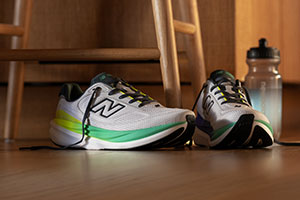
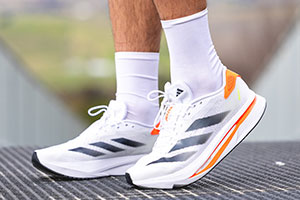
When choosing running shoes for plantar fasciitis, support and cushioning should be high on the priority list. A shoe that supports the arch, cushions the heel, and provides a stable platform can make running and everyday movement feel more comfortable.
However, there isn't one shoe that will work for everyone. Your foot shape, running style, and preferred level of cushioning all matter. If you're experiencing ongoing or significant pain, footwear should also be considered alongside advice from a qualified health professional.
So, what should you look for when choosing the best running shoes for plantar fasciitis?
What Is Plantar Fasciitis?
The plantar fascia helps support the arch of your foot and absorbs force while you walk and run. Plantar fasciitis occurs when this tissue becomes irritated, with discomfort commonly felt around the heel and bottom of the foot.
As every step places load through the foot, poorly cushioned or unsupportive footwear may make symptoms more noticeable.
Supportive footwear is commonly recommended as one way to manage plantar fasciitis discomfort. Shoes with good arch support, thicker soles, and cushioning can help support the foot and reduce the amount of stress placed through the plantar fascia during everyday movement.
That makes the construction of your running shoe particularly important.
1. Look for Support Through the Arch and Midfoot
Arch support is one of the first features to consider when shopping for running shoes for plantar fasciitis.
A supportive shoe helps create a more stable platform underneath the foot rather than allowing excessive movement through each stride. For some runners, particularly those who benefit from additional guidance, a stability running shoe can be a great place to start.
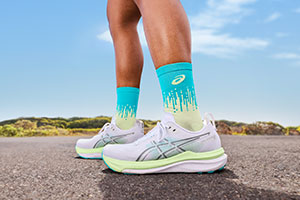
The ASICS GEL-KAYANO 33 is designed around support and comfort. Its FLUIDSUPPORT technology adapts to the runner's changing biomechanical needs throughout their stride, providing additional guidance during key stages while still allowing natural foot movement.
ASICS also combines FF BLAST PLUS and FF BLAST MAX foams through the midsole, providing cushioning alongside the shoe's stability features.
This combination makes the GEL-KAYANO 33 worth considering for runners who want cushioning but don't want to sacrifice support underneath the foot.
The New Balance Fresh Foam X 860v15 takes a similar approach. Designed as a stability running shoe, it combines New Balance's Stability Plane technology with Fresh Foam X cushioning to create a supportive and comfortable platform for running and walking.
For people searching for the best running shoes for plantar support, these stability-focused models can be useful options to try.
2. Prioritise Heel Cushioning
Plantar fasciitis is commonly associated with heel discomfort, making cushioning another important part of your footwear.
When your heel contacts the ground during running or walking, force travels through the foot. A well-cushioned midsole can help soften that impact and make each step feel more comfortable.
The HOKA Bondi 9 is one of the most cushioned running shoes available through INTERSPORT's range. HOKA increased its stack height and introduced a premium super critically foamed EVA midsole, creating the soft, protective ride the Bondi range is known for.
It also features HOKA's rearfoot-focused Active Foot Frame and Smooth MetaRocker technology, helping create a stable platform and smoother transition from heel to toe.
For someone who spends significant amounts of time walking or standing as well as running, the Bondi 9's combination of cushioning and support can make it an option worth considering.
3. Find the Right Balance Between Softness and Stability
More cushioning isn't automatically better.
An extremely soft shoe may feel comfortable when you first put it on, but some runners prefer - or require - greater structure underneath the foot. The goal is to find enough cushioning to soften impact without creating an unstable feeling during each stride.
The ASICS GEL-NIMBUS 28 is a strong example of a highly cushioned neutral running shoe.
It features PureGEL technology alongside a soft, cushioned midsole designed to make longer distances feel smoother. Compared with the stability-focused GEL-KAYANO 33, the GEL-NIMBUS 28 is aimed more towards runners who want maximum comfort without the same level of structured guidance.
This distinction is important when searching for sneakers for plantar fascia support. Some people may feel best in a stability shoe such as the GEL-KAYANO or 860v15, while others may prefer the softer neutral cushioning of a GEL-NIMBUS or Bondi.
There isn't a universal answer; how the shoe interacts with your own foot matters most.
4. Make Sure the Shoe Fits Properly
Even a running shoe packed with cushioning and support won't help much if it doesn't fit properly.
Your heel should feel secure without excessive slipping, while your toes should have enough room to move naturally. Shoes that are too narrow or too short can create additional pressure and discomfort, while an overly loose fit can make the foot move around unnecessarily inside the shoe.
Width is particularly important.
Models such as the GEL-KAYANO 33, GEL-NIMBUS 28, Hoka Bondi 9 and New Balance 860v15 are available through INTERSPORT Australia in different width options, giving runners more opportunity to find a fit that matches their foot shape.
Rather than automatically buying the same size or width you've always worn, trying the shoes on and comparing different options can make a significant difference.
What About Gym Shoes for Plantar Fasciitis?
If you're looking for good gym shoes for plantar fasciitis, think about what you actually do at the gym.
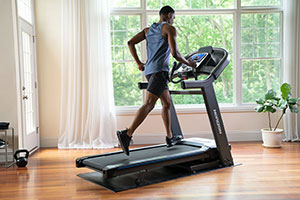
For treadmill running, walking, and general cardio, a supportive running shoe can provide the cushioning and comfort you're looking for. Models such as the GEL-KAYANO 33, New Balance 860v15, or Bondi 9 can all fit this type of use depending on your support preferences.
However, heavily cushioned running shoes aren't always the best choice for every gym activity.
For exercises such as heavy squats or deadlifts, a flatter and more stable training shoe is generally preferable because large amounts of soft cushioning can create an unstable platform under load.
The Nike Metcon 10 is built to handle both heavy lifting and high-intensity training. An ultra-strong Hyperlift plate under the heel creates a stable base for exercises such as squats, deadlifts, and IDLS, while the wider toe box allows your toes to spread more naturally and helps you generate power through the whole foot. For faster movements, lightweight ReactX foam provides responsive cushioning and improved energy return, working alongside flex grooves in the outsole to keep the shoe flexible during box jumps, short sprints, and other high-intensity exercises.
If your training combines running and strength work, you may benefit from having separate footwear for each activity rather than expecting one shoe to do everything.
Which Running Shoes Are Best for Plantar Fasciitis?
There is no single pair that can be called the best running shoes for plantar fasciitis for everyone.
Instead, consider what your feet need most:
-
For stability and guidance: ASICS GEL-KAYANO 33
-
For stability with soft cushioning: New Balance Fresh Foam X 860v15
-
For maximum neutral cushioning: ASICS GEL-NIMBUS 28
-
For plush everyday running and walking: HOKA Bondi 9
-
For Exclusive Lifting: Nike Metcon 10
The right choice comes down to the combination of support, cushioning, and fit that feels best for your feet.
If you're experiencing plantar fasciitis, look for shoes with a supportive platform, comfortable arch support, sufficient heel cushioning, and the correct width for your foot. Replacing worn-out running shoes is also important, as cushioning and support naturally reduce as footwear accumulates kilometres.
Ultimately, the best running shoes for plantar fasciitis should help you feel comfortable and supported while still matching the way you move.
Explore INTERSPORT Australia's range of running shoes online or visit your local INTERSPORT store, where you can compare different cushioning, stability and fit options to find the right pair for you.