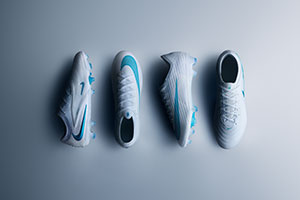
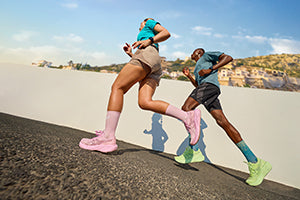
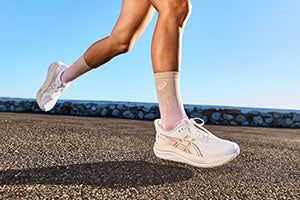
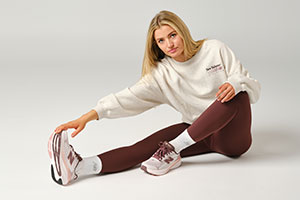






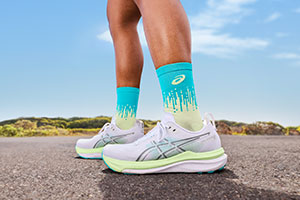
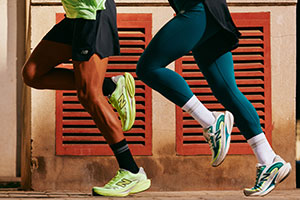


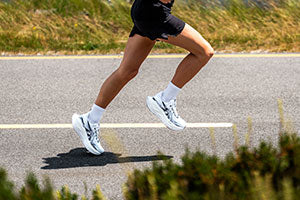
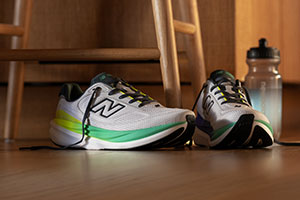




Ever wondered how to make your dream shoe rotation, or if you even need one?
If you've spent enough time around runners, you've probably heard someone talk about their "shoe rotation".
But what does that actually mean, and do you really need several pairs of running shoes?
A running shoe rotation simply means using different shoes for different types of runs. Instead of asking one pair to handle every easy run, interval session, long run, and race, you can choose footwear that better matches the purpose of each workout.
That doesn't mean every runner needs a cupboard full of shoes. For many people, one versatile daily trainer is enough. As your weekly mileage increases or your training becomes more varied, adding a second or third pair can help you get more from each type of session.
Here's how to build a running shoe rotation that actually makes sense for your running.
Do You Actually Need a Running Shoe Rotation?
Not necessarily.
If you’re a beginner or running a few times each week for general fitness, a comfortable and versatile daily trainer may be all you need.
A good daily shoe can usually handle easy runs, steady kilometres, shorter runs and even some faster efforts.
A rotation becomes more useful when your training starts becoming more varied.
If you begin adding intervals, tempo runs, longer distances or race training, you may start asking different things from your shoes.
A shoe that feels great during an easy five-kilometre run might not feel as good when you’re trying to increase the pace.
Likewise, a lightweight speed shoe might feel great during intervals but less comfortable during a long easy run.
That’s when adding another pair can start to make sense.
The Main Types of Shoes in a Rotation
Most running shoe rotations are built around a few simple categories.
You don’t need all of them. Think about which types actually match the training you’re doing.
Daily Trainer
Your daily trainer should be the foundation of your running setup.
This is normally the shoe you use for most of your weekly kilometres, so comfort, durability and versatility matter more than having the fastest shoe available.
A good daily trainer should feel comfortable enough for easy running while still being responsive enough to handle changes in pace.
Models such as the Nike Vomero, New Balance 880 and ASICS Novablast are good examples of shoes that can fill this role.
Your daily trainer should be the shoe you can grab when you don’t need anything particularly specialised.
For many recreational runners, this may be all you need.
Speed Shoe
If you regularly include faster sessions, a lighter and more responsive shoe can be useful.
Speed-focused trainers are designed for sessions such as:
- Intervals
- Tempo runs
- Fartlek sessions
- Progression runs
- Faster training
They often use lighter foams, stiffer constructions or performance plates to create a quicker and more energetic ride.
Models such as the Nike Zoom Fly, New Balance SuperComp Rebel or PUMA Deviate Nitro are examples of shoes that can bring a more performance-focused feel to faster sessions.
The benefit is simple.
You can keep your comfortable daily trainer for normal running and use the faster shoe when pace becomes the focus.
If speed sessions aren’t really part of your training, you probably don’t need one.
Long-Run or Highly Cushioned Shoe
As your running distance increases, comfort often becomes more important.
A shoe that feels perfectly fine over five kilometres can start feeling less comfortable when you’re spending much longer on your feet.
That’s why some runners prefer a more cushioned option for longer sessions.
The ASICS Superblast 3 is a good example of a shoe that combines plenty of cushioning with a lighter and more responsive feel.
Other runners might prefer something more comfort-focused, such as the ASICS GEL-Nimbus, Brooks Glycerin or HOKA Bondi.
These types of shoes can work well for:
- Long runs
- Easy runs
- Recovery running
- Higher weekly mileage
You don’t need a dedicated recovery shoe as well.
For most runners, a daily trainer or cushioned long-run shoe can handle those sessions perfectly well.
Race Shoe
A dedicated race shoe is usually the most specialised part of a rotation.
Modern race shoes often use lightweight premium foams and carbon or other performance plates.
They make more sense if you’re training towards a specific event, trying to improve your race time or competing regularly.
If you’re just running for general fitness, you don’t need one.
Your daily or speed shoe can still be completely suitable for race day.
How Do the Shoes Work Together?
The point of a running shoe rotation is not to own as many pairs as possible.
It’s to have different shoes that suit different jobs.
A simple setup might look like:
Daily trainer: Most normal weekly kilometres
Speed shoe: Faster workouts
Cushioned shoe: Long and easy runs
Race shoe: Events and race-day efforts
Some runners might only use the first two.
Others might prefer a daily trainer and cushioned long-run shoe.
There’s no correct combination.
For example, a runner might use a Nike Vomero for most daily training and an ASICS Superblast 3 for longer or faster runs.
Another runner might use their daily trainer for everything except intervals, then add a lightweight speed shoe specifically for those sessions.
The important thing is that each pair fills a genuine need rather than simply giving you another version of the same shoe.
Why Rotate Running Shoes?
One of the biggest benefits is simply being able to choose the right shoe for the session.
A soft and comfortable daily trainer might feel great for easy kilometres.
A lighter shoe may feel better during intervals.
A more cushioned model may be more comfortable when your long run starts getting longer.
Rotation can also spread your weekly kilometres across multiple pairs.
Instead of putting every run into the same shoe, each pair builds up kilometres more slowly.
That doesn’t mean the shoes suddenly last twice as long, though.
The cushioning, outsole and upper will still eventually wear out.
It’s still worth keeping an eye on how many kilometres each shoe has completed and replacing them when they no longer feel or perform as they should.
Different shoes can also change how each run feels because cushioning, stiffness, heel-to-toe drop and overall geometry can vary between models.
However, simply owning multiple pairs does not guarantee you’ll avoid injuries.
Training load, recovery, strength, previous injuries and how quickly you increase your running all still matter.
A rotation is better thought of as a way to match your footwear to your training rather than an injury-prevention solution.
How to Build Your Own Running Shoe Rotation
Start with the running you’re already doing.
Ask yourself:
- What shoe do I use most?
- Do I regularly do faster sessions?
- Are my long runs getting longer?
- Am I training for a race?
- Is there a type of run where my current shoe doesn’t feel ideal?
Then add a shoe only when there’s a clear reason.
If almost all your running is easy, focus on getting a great daily trainer.
If you’ve started introducing intervals or tempo sessions, something lighter and more responsive might be your next addition.
If your weekly distance is increasing, a more cushioned shoe may be more useful.
If you’re preparing for races, you might eventually look at a dedicated race-day option.
You don’t need to build the whole rotation at once.
Let it develop alongside your training.
The best running shoe rotation is the one that makes your different sessions feel better and gives every shoe a clear job.
Explore INTERSPORT Australia’s running shoe range to compare daily trainers, speed shoes and cushioned options that suit the way you run.