














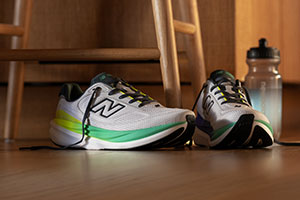





Are your running shoes looking tired?
Running shoes are built to handle hundreds of kilometres of repeated impact, but they won't last forever. Over time, the cushioning begins to compress, the outsole wears down and the shoe may no longer provide the same comfortable and supportive feeling it did when new.
So, how often should you replace running shoes?
For many runners, somewhere around 500 to 800 kilometres is a useful starting point. However, there isn't one exact distance that applies to every pair or every runner.
How often you run, where you run, your running style, and even the shoe's construction can all affect its lifespan. That's why knowing when to replace running shoes means looking at both your kilometres and the condition of the shoes themselves.
How Long Do Running Shoes Last?
A typical pair of running shoes often lasts about 500 to 800 kilometres, although some may need replacing earlier or keep performing comfortably beyond this range.
Rather than treating the number as an expiry date, think of it as a reminder to start paying closer attention to how your shoes look and feel.
For example, someone running 20 kilometres each week could reach 500 kilometres in around six months. A runner covering 50 kilometres each week could reach the same point in about ten weeks.
This is why answering how long running shoes last in months isn't always straightforward. A casual runner may own the same pair for much longer than someone training several times each week, even if both shoes eventually cover a similar distance.
What Can Make Running Shoes Wear Out Faster?
Not every runner will get the same lifespan from the same shoe.
How Often You Run
Quite simply, more running means more wear.
Someone running five days a week will compress the cushioning and wear through the outsole faster than someone using their shoes once or twice a week.
Where You Run
Your running surface can also affect durability.
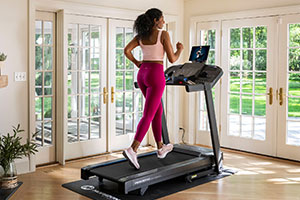
Running regularly on roads and other hard surfaces can place different demands on a shoe compared with treadmill, track or trail running.
It's also important to use footwear designed for the surface you're running on. For example, repeatedly wearing trail shoes on pavement can wear down their specialised outsole faster.
Your Running Style
Every runner lands and moves slightly differently.
Some runners naturally create more wear through the inside, outside, heel or forefoot of their shoes. If one particular section of your outsole consistently wears down faster, this can shorten the usable life of the shoe.
The Type of Running Shoe
Different shoes are also built differently.
A lightweight performance shoe designed for speed may use different materials from a durable everyday trainer. Highly cushioned shoes can also gradually lose the responsive feeling of their foam even when the outsole still looks relatively healthy.
This is why mileage should never be the only thing you check.
1. Check the Outsole
One of the easiest ways to tell when to replace running shoes is to turn them over.
The outsole is the rubber section that makes contact with the ground. Over hundreds of kilometres, its tread will naturally begin to wear away.
Look for areas that have become:
- Noticeably smoother than the rest of the shoe
- Worn through the rubber
- Uneven between the left and right shoe
- Less grippy than they used to be
Some wear is completely normal. However, if sections of the outsole have become extremely smooth or worn away, the shoe may no longer provide the traction it was designed to deliver.
This becomes particularly important when running on wet or slippery surfaces.
2. Check the Midsole Cushioning
The outsole isn't always the first part of a running shoe to wear out.
The midsole - the foam between your foot and the ground - goes through thousands of compression cycles while you run. Eventually, that foam can lose some of its original cushioning and responsiveness.
Look along the sides of your shoes for significant compression or creasing in the foam.
You can also gently press into the midsole. If a shoe that was previously soft and responsive now feels noticeably firm, flat, or slow to spring back, the cushioning may be starting to break down.
Sometimes you'll notice this through your feet before you can actually see it.
3. Your Shoes Feel Different on Familiar Runs
Think about a route you've completed dozens of times.
If the same run suddenly feels harsher underfoot, your legs feel more fatigued than usual, or your shoes don't feel as comfortable as they once did, wear could be contributing.
This can be particularly noticeable when comparing an older pair with a fresh pair of the same or similar running shoe.
Of course, footwear isn't the only possible reason a run might feel harder. Training load, recovery, and plenty of other factors can affect how your body feels.
But if your shoes have already accumulated significant kilometres and feel noticeably flatter than before, they're worth checking.
4. Look for Uneven Wear
Running shoes don't always wear evenly.
Take a look at both shoes side by side and check whether one side of the outsole or midsole has deteriorated significantly more than the other.
A small amount of uneven wear is common because everyone has their own running style and movement pattern.
However, substantial wear can change the way the shoe sits underneath your foot. If the shoe begins leaning noticeably to one side or the sole has become heavily worn in one area, it may be time to retire it from running.
5. Check the Upper and Heel
The cushioning isn't the only part of your shoe that can deteriorate.
Check the upper for:
- Tears or holes
- Excessive stretching
- Damaged stitching
- Fraying around the heel
- A heel that no longer holds your foot securely
Your running shoes should keep your foot comfortably secured throughout each stride.
If the upper or heel has become damaged enough that your foot moves around excessively inside the shoe, replacing the shoes may be worthwhile even if you haven't reached the expected mileage.
Should You Replace Running Shoes Based on Time or Kilometres?
Ideally, use both.
Kilometres provide a much more useful measurement than simply looking at the purchase date because they tell you how much work the shoes have actually done.
However, not everyone tracks every run.
If you don't know your mileage, think about:
- How many times you run each week
- Your usual running distance
- How long you've owned the shoes
- How worn the outsole looks
- Whether the cushioning still feels responsive
- Whether the shoes still feel comfortable
For example, someone who runs only occasionally may comfortably use the same pair for many months, whereas a high-mileage runner could need replacements several times during the same period. Most running apps have a feature that allows you to log what shoes you take on each run, making it easier to identify how much work each pair has done.
How Can You Track the Kilometres on Your Running Shoes?
One of the easiest ways to know how often you should replace running shoes is to track them from the beginning.
Many running apps allow you to add a specific pair of shoes to your profile and automatically record the kilometres covered in them.
You can also keep things simple and note the date you first ran in them, along with an estimate of your average weekly kilometres.
Once you're approaching the 500–800 kilometre range, start inspecting the shoes more regularly rather than immediately throwing them away.
Can Rotating Running Shoes Help?
If you run regularly, having more than one pair can be useful.
Rotating your shoes allows you to choose different footwear for different runs; perhaps a cushioned everyday trainer for easy kilometres and a lighter shoe for faster sessions.
It also means you're not wearing the same pair every day.
However, rotation doesn't make each pair immune to wear. You'll still need to keep track of roughly how many kilometres each shoe has covered and regularly inspect its condition.
What Should You Do With Old Running Shoes?
A shoe that's finished its life as your main running shoe isn't necessarily ready for the bin.
If the upper and outsole are still in reasonable condition, an older pair can potentially become casual walking, gardening, or everyday shoes.
Just remember that once the cushioning and support have noticeably deteriorated, they're no longer providing the same performance they were designed to offer for running.
So, When Should You Replace Your Running Shoes?
There's no exact kilometre where every running shoe suddenly stops working.
As a general guide, start paying closer attention to your shoes once they've covered around 500 to 800 kilometres.
More importantly, look for a combination of:
- Worn or smooth outsole tread
- Flattened or heavily compressed cushioning
- Reduced responsiveness
- Uneven wear
- Damage to the upper or heel
- A noticeable change in comfort on familiar runs
Ultimately, knowing when to replace running shoes comes down to combining mileage with what you can see and feel.
Keeping track of your kilometres and checking your shoes regularly can help you recognise when your current pair has reached the end of its running life, and when it's time to find your next pair!