







How to Choose the Right Running Shoes for Your Feet and Distance:
The right running shoe can make a huge difference to how comfortable and confident you feel on a run. But with different levels of cushioning, support, stability, and performance technology available, choosing the right pair isn't always as simple as picking the shoe that looks best.
Your ideal running shoe should suit your feet, the way you run, and the distance you plan on covering. A shoe designed for short, faster runs might feel completely different to one built to keep you comfortable over a half marathon or a long weekend run.
Whether you're starting your first running routine, working towards a 5K, or spending hours on the road each week, here's what to consider when choosing your next pair.
Start With Your Feet
Every runner is different, and understanding how your feet move can make choosing a running shoe much easier.
There are three general categories you may hear when looking for running shoes: neutral, overpronation, and underpronation (supination).
Neutral
A neutral runner's foot generally rolls inward naturally as it lands, helping distribute impact through the foot.
Neutral running shoes are designed to allow this natural movement while providing cushioning and comfort underneath the foot. There are plenty of options within the neutral category, ranging from lightweight everyday trainers to heavily cushioned shoes made for longer distances.
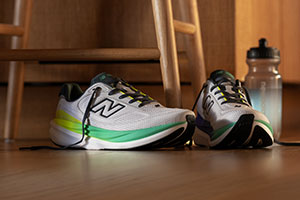
Models such as the New Balance 1080 v15 are designed around a soft, cushioned ride and can be a great option for runners who prioritise comfort over longer sessions.
Overpronation
Overpronation happens when the foot rolls further inward as you move through your stride.
Some runners who overpronate may prefer a stability running shoe, which adds supportive elements to help create a more stable and controlled feeling underfoot.
Stability doesn't necessarily mean a shoe needs to feel heavy or firm. Modern stability shoes are designed to combine support with the softer cushioning found in everyday running shoes.
For example, the Brooks Glycerin GTS 23 combines Brooks' cushioned Glycerin platform with its GuideRails support system, offering another option for runners looking for additional stability.
Underpronation
Underpronation, sometimes called supination, occurs when the foot rolls outward or doesn't roll inward as much during the stride.
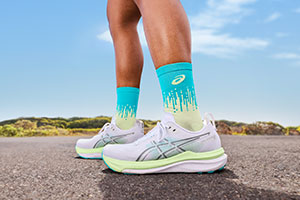
These runners may prefer a well-cushioned neutral shoe that provides a comfortable platform underneath the foot. The ASICS GEL-NIMBUS 28 provides excellent cushioning with higher foam sidewalls to protect the foot from outward impact.
However, your running style is only one part of the equation. Comfort should always be a major factor when choosing your shoes, and what works for one runner won't necessarily work for another.
Choose Your Shoes Based on Distance
Once you've considered how the shoe feels on your feet, think about what you actually plan on using it for.
Short Runs and Faster Sessions
For shorter runs, interval sessions, or runs where you want to increase the pace, you may prefer a shoe that feels lighter and more responsive.
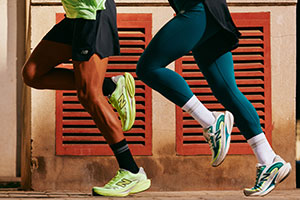
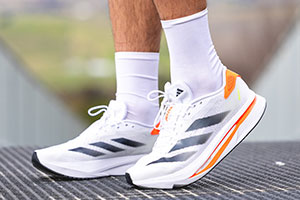
These shoes generally place less emphasis on maximum cushioning and more on giving you a quick, energetic feeling through each stride. Shoes like the Nike Pegasus Plus 2, Adidas Evo SL, and the Asics Sonicblast 2 are designed to be lightweight and provide that extra pep when running.
That doesn't mean cushioning isn't important; you still want the shoe to feel comfortable, but you may not need the same amount of protection and plushness you would want when running for an hour or more.
Everyday Runs
If most of your runs sit somewhere around the 5–10km range, versatility is your friend.
An everyday running shoe should provide enough cushioning to stay comfortable while still feeling responsive enough that it doesn't become bulky during shorter sessions.
For many runners, this style of shoe becomes their go-to option for the majority of their weekly kilometres.
If you're only planning on owning one pair of running shoes, a comfortable and versatile daily trainer is often a great place to start.
Long-Distance Runs
As the kilometres increase, cushioning and comfort generally become more important.
Longer runs mean spending more time on your feet and repeating the same movement thousands of times, so you'll want a shoe that continues to feel comfortable deep into the run.
Look for a secure upper, enough room around the toes, and cushioning that feels comfortable without making the shoe unstable.
Maximum-cushioned options such as the HOKA Bondi 9 and the Brooks Glycerin Max 2 are designed to deliver a soft and smooth ride, making this style of shoe particularly appealing for easy runs and longer sessions.
Half Marathons and Marathons
Training for a half marathon or marathon places even more importance on finding a shoe that works for you over extended periods.
Some runners prefer highly cushioned shoes that prioritise comfort, while others want something lighter and more responsive to help maintain their race pace.
There isn't one perfect marathon shoe for everyone. Your pace, experience, foot shape and personal preference all play a role. Shoes like the Nike Vaporfly 4 and New Balance Supercomp Elite are very popular options that suit plenty of uses.
Most importantly, don't wait until race day to try a new pair. Spend plenty of training kilometres in your shoes first so you know how they feel as the distance increases.
Don't Forget About Fit!
Even the most technically advanced running shoe won't help much if it doesn't fit properly.
Your running shoes should feel secure around the heel and midfoot without squeezing your foot. You should also have enough room around your toes to move comfortably.
Your feet can expand slightly while you're running, particularly during longer sessions, which makes finding the right amount of space even more important.
When trying on running shoes, wear the same type of socks you normally run in and walk or jog around in them where possible.
You can also find shoes in various widths, as not every foot is going to fit a basic last! Brands like New Balance, Brooks, and Asics are well recognised in the performance footwear industry for providing different widths so different customers can find a comfortable fit.
The shoe should feel comfortable from the beginning. You shouldn't need to rely on a long "breaking-in" period before they start feeling right.
Think About Where You Run
Distance isn't the only thing that matters. The surface underneath you should also influence your choice.
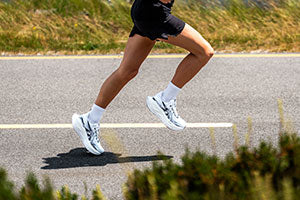
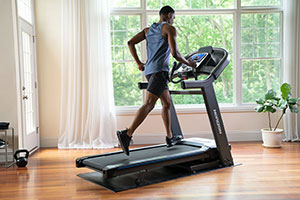
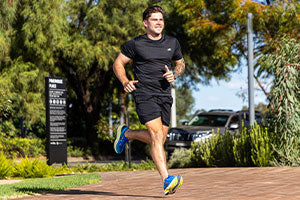
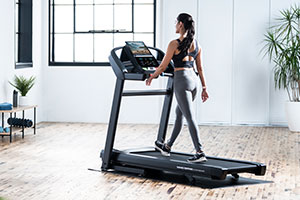
Road running shoes are generally designed for smoother surfaces such as footpaths, roads, and treadmills. They typically use smoother outsoles and place more emphasis on cushioning and efficient movement.
Trail running shoes, on the other hand, are built for uneven and loose terrain. They usually feature more aggressive grip underneath the shoe and additional stability or protection for running over dirt, gravel, and trails.
If most of your weekly running happens on the road, a road shoe is likely to be the better choice. If you're regularly heading off-road, it's worth looking at a dedicated trail option.
Cushioning Isn't One-Size-Fits-All
More cushioning doesn't automatically mean a better running shoe.
Some runners love the soft feeling of a maximum-cushioned shoe, while others prefer to feel closer to the ground. You may also want different levels of cushioning depending on the session.
A softer shoe can be ideal for easy and long runs, while something firmer and more responsive might feel better when you want to pick up the pace.
The best cushioning level is ultimately the one that feels comfortable and works with the way you like to run.
Finding the Right Running Shoe for You
There's no single running shoe that's perfect for everyone.
Start by considering your foot type, how the shoe fits, the distances you run, and the surfaces you normally train on. From there, you can narrow down whether you need a neutral or stability shoe and how much cushioning you prefer.
If you're still unsure, trying shoes on in person can make the decision much easier. Visit your local INTERSPORT store and speak to the team about your running habits, distance, and what you're looking for from your next pair.
Because ultimately, the best running shoe isn't necessarily the fastest, softest, or most expensive option.
At the end of the day, it's the shoe that feels right for your run.