















Ever experienced sorer-than-average hips after your run?
Running places repeated load through your feet, legs, and hips with every stride. While some muscle soreness after a harder session can be normal, ongoing or recurring hip pain after running is something worth paying attention to.
There isn't one single cause of sore hips after running. Training load, muscle strength, running technique, recovery, and even your footwear can all influence how your body handles the repeated demands of running.
Understanding where the discomfort may be coming from can help you make sensible changes to your training and know when it might be time to seek professional advice.
Why Do My Hips Hurt After Running?
Your hip is a ball-and-socket joint surrounded by muscles, tendons, and other tissues that help control your movement while running.
Because running is repetitive, these structures have to absorb and manage force thousands of times during a single session.
Some common reasons runners may experience hip discomfort include:
- Increasing running distance or intensity too quickly
- Muscle fatigue or weakness around the hips and glutes
- Tight or irritated muscles and tendons
- Limited recovery between sessions
- Changes in running technique
- Running repeatedly on the same surface
- Footwear that is worn out, uncomfortable, or poorly suited to the runner
Hip pain can also be caused by injuries or conditions that need professional assessment, so persistent pain shouldn't simply be ignored or pushed through.
Training Load Can Play a Big Role
One of the easiest ways to overload your body is to increase your running too quickly.
That could mean suddenly running further, adding several sessions to your week, introducing hills, or increasing your speed before your body has adapted.
Your cardiovascular fitness can sometimes improve faster than your muscles and tendons are ready for the additional workload.
If your sore hips after running appeared shortly after changing your training, consider whether you've increased:
- Weekly kilometres
- Running frequency
- Speed sessions
- Hill running
- Long-run distance
- Overall training intensity
Building gradually gives your body more time to adjust to the demands you're placing on it.
Strength Around the Hips Matters
Running isn't only about strong legs.
Your glutes, hips, and core all contribute to controlling your pelvis and legs as you land and push away from the ground.
If these muscles fatigue quickly or aren't strong enough for your current training load, other areas may have to work harder to keep your movement controlled.
Adding appropriate strength training alongside running can help develop the muscles responsible for supporting your hips.
Exercises such as squats, lunges, bridges, and controlled single-leg movements are commonly used to strengthen the lower body, but the right exercises will depend on the individual.
If an exercise itself causes hip pain, don't simply continue through it.
How to Reduce Hip Pain After Running
If you're experiencing mild discomfort after a run, reducing the activity that is aggravating it can be a sensible first step.
That doesn't always mean completely stopping exercise. Depending on the cause and severity of the pain, you may be able to temporarily reduce your running distance or intensity while using lower-impact forms of activity.
Recovery can also include getting adequate sleep, allowing enough time between harder sessions, and gradually returning to your normal training load.
If you're wondering how to reduce hip pain, avoid treating pain relief as a way to continue running through an injury. The more important question is why the discomfort is happening in the first place.
Severe pain that is continually getting worse, affecting normal walking ability, or continuing despite reducing your training should be assessed by an appropriate health professional.
Warm Up Before You Run
Going straight from sitting down to running at full pace doesn't give your muscles much time to prepare for exercise.
A short dynamic warm-up can gradually increase movement and prepare the muscles around the hips and legs for running.
This might include controlled movements such as:
- Leg swings
- Walking lunges
- Glute activation exercises
- Easy jogging
- Gradually increasing your running pace
Your warm-up doesn't need to be long or complicated. The goal is simply to prepare your body for the movements you're about to perform.
Don’t Ignore Your Running Shoes
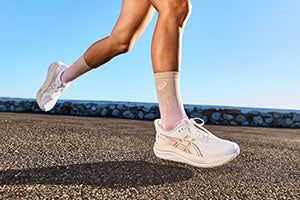
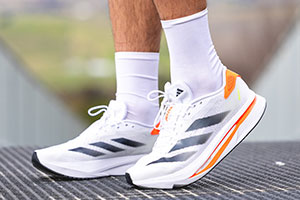
Your running shoes are the main connection between your body and the ground, so they can influence how each stride feels.
Choosing appropriate running shoes can provide cushioning, traction, and support that suit your individual running style.
However, there’s no single shoe that can guarantee the prevention of hip pain.
Instead, focus on finding footwear that fits properly, feels comfortable, and suits the type of running you’re doing.
You can also explore INTERSPORT Australia’s women’s running shoes and men’s running shoes to compare different levels of cushioning, support and fit.
How Can Running Shoes Help With Hip Comfort?
Every time your foot hits the ground, forces travel through your foot, ankle, knee and hip.
Running shoes use midsole cushioning to help manage some of that impact while providing a stable platform for your stride.
Different runners will prefer different levels of cushioning.
Some enjoy a softer, highly cushioned feel, while others prefer a firmer shoe that keeps them closer to the ground. The most cushioned shoe isn't automatically the best option for hip discomfort.
Stability can matter too.
Some runners feel comfortable in neutral running shoes, while others prefer additional guidance from a stability shoe. What matters is finding a shoe that feels comfortable and works with your individual movement rather than choosing entirely from a label.
Make Sure Your Running Shoes Aren't Worn Out
Even a shoe that was once perfect for you won't perform the same forever.
Over time, the midsole foam compresses, the outsole wears down, and the shoe can lose some of its original cushioning and support.
If your usual runs suddenly feel harsher than they used to, check the condition of your shoes.
Look for:
- Heavily worn outsole rubber
- Uneven wear underneath the shoe
- Compressed or damaged midsole foam
- A heel that no longer feels secure
- An upper that has stretched or torn
- A noticeable reduction in cushioning
If your shoes have accumulated a significant number of kilometres and no longer feel comfortable, replacing them may help restore the cushioning and support you're used to.
Does Running Form Affect Hip Pain?
Running technique can influence where forces are placed throughout your body.
However, there isn't one perfect running style that everybody needs to copy.
Stride length, cadence, foot strike, and body position all vary between runners.
Trying to completely change your running form without a clear reason can sometimes create different problems rather than solving the original one.
If hip pain keeps returning, a running or gait assessment from an appropriately qualified professional may help identify whether your movement or training habits are contributing to the issue.
Can Running Surface Make a Difference?
Changing surfaces can alter the way your body experiences each run.
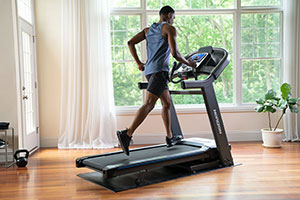
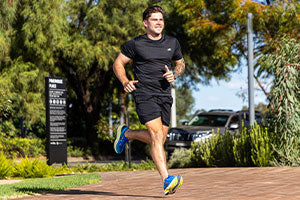
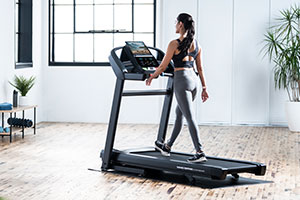
Roads, trails, grass and treadmills all feel different underfoot, and constantly running on very hard or uneven surfaces may be uncomfortable for some runners.
You don't necessarily need to avoid a particular surface, but varying your routes can give you different training conditions and may help reduce repetitive loading in the same way every session.
Make sure your footwear also matches the type of running you're doing, particularly if you regularly switch between road and trail running.
When Should You Get Hip Pain Checked?
Occasional muscle soreness and persistent hip pain aren't the same thing.
Stop or reduce running and consider seeking professional advice if the pain:
- Is sharp or severe
- Continues to worsen
- Causes you to limp
- Affects normal walking or everyday activities
- Follows a fall or sudden injury
- Regularly returns when you begin running again
- Doesn't improve after reducing your training
Hip pain can come from several different structures around the joint, so identifying the cause is important before deciding on the best approach.
How Can You Help Prevent Sore Hips After Running?
Preventing every running injury isn't possible, but good training habits can help your body manage the workload more effectively.
Try to:
- Increase your running gradually
- Include lower-body and hip-strengthening work
- Allow adequate recovery between harder sessions
- Warm up before running
- Wear comfortable running shoes suited to your needs
- Replace shoes once they're significantly worn
- Pay attention to recurring discomfort rather than consistently running through it
Most importantly, listen to how your body responds to your training.
Finding the Right Running Shoes
If your current shoes are uncomfortable, worn out, or simply don't suit the way you run, changing footwear may improve how comfortable your runs feel.
Start with fit. Your heel should feel secure, your toes should have room to move, and the shoe shouldn't create uncomfortable pressure anywhere around the foot.
From there, consider whether you prefer more cushioning, a firmer ride or additional stability.
INTERSPORT Australia offers a broad range of running shoes, with dedicated men's and women's running shoe collections to help narrow down your options.
So, What Should You Do About Hip Pain After Running?
Hip pain after running can have many possible causes, from doing too much training too quickly to muscle weakness, fatigue, or other underlying issues.
If you're looking at how to reduce hip pain, start by considering your overall training rather than focusing on one solution. Give your body appropriate recovery, build your running gradually, strengthen the muscles supporting your hips and make sure your footwear remains comfortable and suitable for your running.
The right running shoes can help provide the cushioning, stability and comfort you need, but they should be considered as one part of the bigger picture.
If pain continues, worsens, or begins affecting your everyday movement, getting it properly assessed is more useful than trying to run through it.