









How to Choose Football Boots for Your Position
Football boots might all have the same basic job, but they aren't all designed to feel or perform the same way.
A striker looking to explode into space may want something completely different from a midfielder controlling possession, while defenders and goalkeepers may place more importance on stability, comfort, and dependable traction.
Modern football boots use different stud configurations, materials, weights and upper designs to create these different characteristics. Understanding what they actually do can make it much easier to choose the right pair.
Your position doesn't mean you have to wear a certain boot, though. Every player moves differently and has their own preferences. Think of your position as a starting point for understanding the features that could suit your game.
Why Does Your Position Matter?
Different positions regularly perform different movements.
Strikers and wingers often rely on acceleration and quick changes of direction. Midfielders can cover large amounts of ground while constantly receiving, passing, and turning. Defenders need to react quickly while staying balanced, and goalkeepers require traction for short movements, dives, and changes of direction around the penalty area.
Boot manufacturers design different models with these movements in mind.
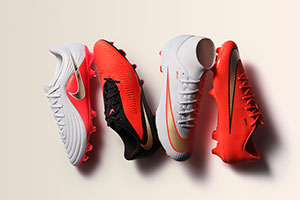
Nike, for example, separates its football range according to playing style. The Mercurial focuses on lightweight speed and aggressive traction, the Phantom centres around precision and agility, while the Tiempo prioritises dependable touch and comfort.
So what should you actually look for?
Strikers: Speed, Acceleration and a Clean Touch
Forwards often spend large parts of a match trying to create separation from defenders.
That makes weight and traction two of the biggest considerations when choosing a striker's boot.
Stud Placement
Speed-focused boots usually use aggressive traction patterns designed to help players accelerate quickly.
Bladed, chevron-shaped, or strategically angled studs can help provide grip when pushing forward, changing direction, or making a sharp run in behind the defence.
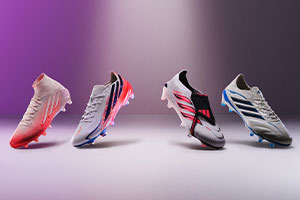
The adidas F50, for example, has been designed around acceleration, using its soleplate and stud configuration to create aggressive traction when taking off or cutting at speed.
Weight
This is also where lightweight boots really come into their own.
Removing unnecessary material can make a boot feel quicker and less restrictive when sprinting. adidas describes the F50 as its speed-focused option, while Nike positions the Mercurial around lightweight construction and explosive movement.
New Balance takes a similar approach with the Furon, which sits within its speed-boot category.
Upper Design
Strikers may also prefer a thinner, close-fitting upper.
A thinner synthetic or knitted upper can create a more direct feeling when striking or controlling the ball, while textured areas can add grip during dribbling and shooting.
The result is generally a boot designed to feel fast, responsive and close to the foot.
Look for: lightweight construction, aggressive traction and a close-fitting upper.
Boot styles to consider: Nike Mercurial, adidas F50 and New Balance Furon.
Midfielders: Control, Comfort and Versatility
Midfield is probably the hardest position to put into one category.
A defensive midfielder may want something completely different from an attacking midfielder, but most midfielders need a balance between traction, ball control and comfort.
Stud Placement
Rather than being built entirely around straight-line acceleration, midfielder-friendly boots often aim to provide traction in multiple directions.
That can help when receiving the ball, turning away from pressure or quickly changing direction.
The adidas Predator's ControlFrame soleplate, for example, is designed to provide stability during changes of direction, while the Copa Pure uses a platform designed around steadier movement and responsiveness.
Weight
Midfield boots don't necessarily need to be the lightest option available.
Instead, there is often a balance between keeping the shoe responsive while maintaining enough structure for repeated movement throughout a match.
Some midfielders will still prefer a speed boot, while others may sacrifice a little weight for additional comfort or a more substantial touch on the ball.
Upper Design
This is where midfielder-focused designs can really stand out.
Textured or grippy uppers can help when passing, crossing, or striking the ball, while softer materials can provide a more cushioned first touch.
The adidas Predator uses grip elements across its upper to place greater emphasis on passing and striking control. Alternatively, the Copa line focuses more heavily on softness and ball feel.
New Balance's Tekela follows a similar control-focused direction, using its Dynamic TouchTech upper alongside an angled stud configuration.
Look for: multidirectional traction, a comfortable fit, and an upper that gives you confidence on the ball.
Boot styles to consider: Nike Phantom, adidas Predator, adidas Copa, and New Balance Tekela.
Defenders: Stability, Traction and Dependability
Defending involves much more than just strength.
A defender may need to sprint backwards, change direction, step forward to intercept the ball, and then immediately play a pass.
That makes stability and reliable traction particularly useful.
Stud Placement
Defenders may prefer a soleplate that feels planted when changing direction rather than one that feels extremely aggressive.
Studs that spread pressure across the foot can create a stable base when jockeying an attacker, turning or making sudden lateral movements.
However, defenders still need plenty of acceleration. Modern centre-backs and full-backs regularly cover large distances at high speeds, which means nothing is stopping a defender from choosing a speed-focused soleplate if that suits their game.
Weight
Traditionally, defensive boots were heavier and more protective.
Modern football boots have changed that considerably.
A defender can now choose a lightweight boot without sacrificing all structure, so the decision comes down to preference. Full-backs who regularly make overlapping runs might favour something lightweight, while a centre-back may prefer a slightly more structured and comfortable boot.
Upper Design
A more structured upper can create a secure feeling around the foot and may offer a slightly more cushioned touch compared with extremely thin speed boots.
Boots such as the Nike Tiempo focus on comfort and dependable touch, while New Balance's 442 uses a more traditional-inspired construction centred around fit and ball feel.
That can be useful for defenders who regularly receive the ball under pressure and distribute it from the back.
Look for: stability, secure fit, reliable traction and a comfortable upper.
Boot styles to consider: Nike Tiempo, adidas Copa and New Balance 442.
Goalkeepers: Grip, Stability and Comfort
Goalkeepers move differently from every other player on the pitch.
While an outfield player might regularly sprint 30 or 40 metres, goalkeepers perform lots of shorter movements; shuffling across goal, stepping forward, planting before a dive and accelerating off their line.
Stud Placement
Reliable multidirectional traction can therefore be particularly important.
A goalkeeper needs enough grip to plant confidently when diving or changing direction without feeling like the boot is locking their foot too aggressively into the surface.
A stable soleplate with traction spread across the forefoot and heel can work well for these movements.
Weight
Weight is generally less important for goalkeepers than it is for a winger or striker, although that doesn't mean a keeper needs a heavy boot.
Some goalkeepers still prefer lightweight models because they feel responsive when rushing from goal, while others prioritise stability and comfort.
Upper Design
Goalkeepers also use their feet far more than they once did.
Modern keepers regularly receive back-passes, switch play and pass through opposition pressure, making touch and control important considerations when choosing boots.
A comfortable or slightly textured upper can help provide confidence when controlling and distributing the ball.
That makes control-focused boots such as the Nike Phantom or adidas Predator, as well as softer options such as the Nike Tiempo or adidas Copa, all reasonable choices depending on personal preference.
Look for: dependable traction, stability, comfort, and good ball feel.
Don't Forget the Playing Surface
Position matters, but the surface you play on matters even more when choosing your studs.
A striker shouldn't choose aggressive firm-ground studs simply because they're fast if they're playing on a surface those studs weren't designed for.
Football boots are available with different soleplates for different surfaces, including:
Firm Ground (FG): Designed primarily for natural grass pitches that are firm or only slightly damp.
Soft Ground (SG): Designed for softer and wetter natural grass, often using longer or removable studs.
Artificial Grass (AG): Designed specifically for modern artificial football pitches.
Multi-Ground (MG): Designed as a versatile option for players who regularly move between different surfaces.
Indoor: Uses a flatter rubber outsole rather than traditional football studs.
Using the correct soleplate helps provide appropriate traction for the surface you're playing on. Nike specifically recommends selecting the soleplate around pitch conditions rather than simply playing style.
So, Which Football Boot Should You Choose?
Your position can point you towards certain features, but it shouldn't make the final decision for you.
A quick striker might love a lightweight speed boot, but another striker may prefer the added grip of a control boot. A centre-back might choose a comfortable, structured option, while an attacking full-back could prefer the same lightweight boot as a winger.
Think about the movements you make most often.
Strikers may prioritise acceleration, lightweight materials and aggressive traction.
Midfielders may want multidirectional movement, comfort and additional control through the upper.
Defenders may value stability, secure fit and dependable traction.
Goalkeepers may prioritise stability, comfort and grip during short, explosive movements.
Most importantly, choose a boot that fits your foot correctly and feels comfortable.
Visit your local INTERSPORT store to try on different football boots and find the model that suits your feet, playing surface and the way you play.
Your position might influence your boots, but your game should make the final decision.